
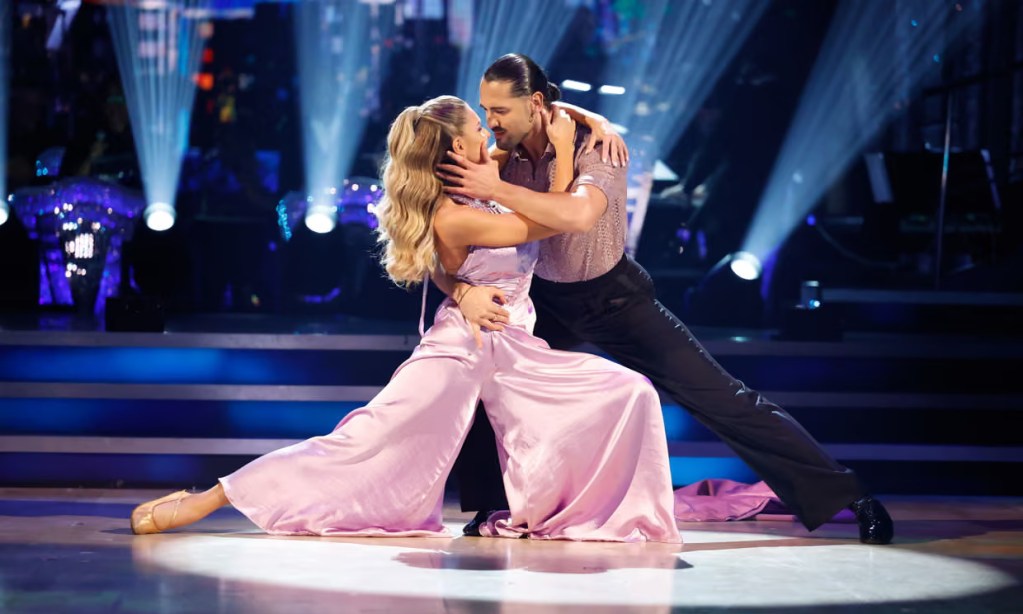
Graziano Di Prima was removed from Strictly Come Dancing after kicking his celebrity partner Zara McDermott. Photograph: Guy Levy/PA
With Bectu, Zelda Perkins, and Jen Smith leading the charge, the Creative Industry Independent Standards Authority (CIISA) was born. However, things will not change overnight. Let’s remember some of the stats from Bectu’s survey last year.
- 9 in 10 creative workers say they have been sexually harassed at work.
- Of those who have reported an incident to their employer, just 9% thought that it was dealt with appropriately.
- 92% agree that the creative industries allow a dynamic where those in power can too easily abuse their status.
- 92% of the workforce has witnessed or experienced bullying or harassment on grounds of their sex or gender in the workplace.
“The survey of workers across the UK’s creative industries – including film and TV, theatre, live events, broadcasting and cinema – found that six in ten creative workers had experienced unwanted and/or inappropriate touching, hugging or kissing; and a quarter have witnessed the circulation of pornography in the workplace…
For the majority, the perpetrator was a colleague (64%) or multiple colleagues (37%), and most likely someone senior (55%) or the person’s manager or head of department (26%). For those working in theatre.
Worryingly, respondents felt that high-profile cases, such as the allegations against Russell Brand, have done little to shift the dial; only 14% say that high-profile cases have improved employers’ responses to sexual harassment in the creative sector…
…More than 60% chose not to report an incident because they were worried it would negatively impact their career.”
…Many respondents talked about the power imbalances and that they felt disposable compared to performers or ‘talent’ that they worked with..” For Bectu ‘s full article: https://tinyurl.com/2mf93ast
For actual change, the employers will need to hold workshops with workers, giving examples of what should not be tolerated, so that workers know what their employer has sanctioned them to say in response to unacceptable behaviour. Yes, they’ll have to be that explicit to get workers, particularly young workers, to be confident enough to act and or report.
And employers will have to be explicit with talent about what isn’t acceptable, and that those who behave unacceptably will be dismissed and potentially face costs (at least their wages) being recouped from offenders.
I’m not going to list all the names of those who have behaved unacceptably, but Gregg Wallace and “MasterChef” are a good example of on-screen talent being allowed to behave as they please at the expense of the target and the BBC’s reputation. Employers need to think differently: What could this talent be using the BBC, ITV, or Channel 4 to get away with?
Perhaps instead of worshiping charismatic talent, producers should wonder why this person has gone to so much trouble to become this charismatic? 95% of the talent I worked with in the industry were lovely, but it’s the other 5% that can traumatize workers and damage employers’ reputations.
FREE 1-hour online workshop: How to Stop Sexual Harassment on Thursday, September 4th at 7pm: https://tinyurl.com/36acm89y
#SexualHarassment@Wrk #CreativeIndusties #Film&TV #BBC #ITV #C4
